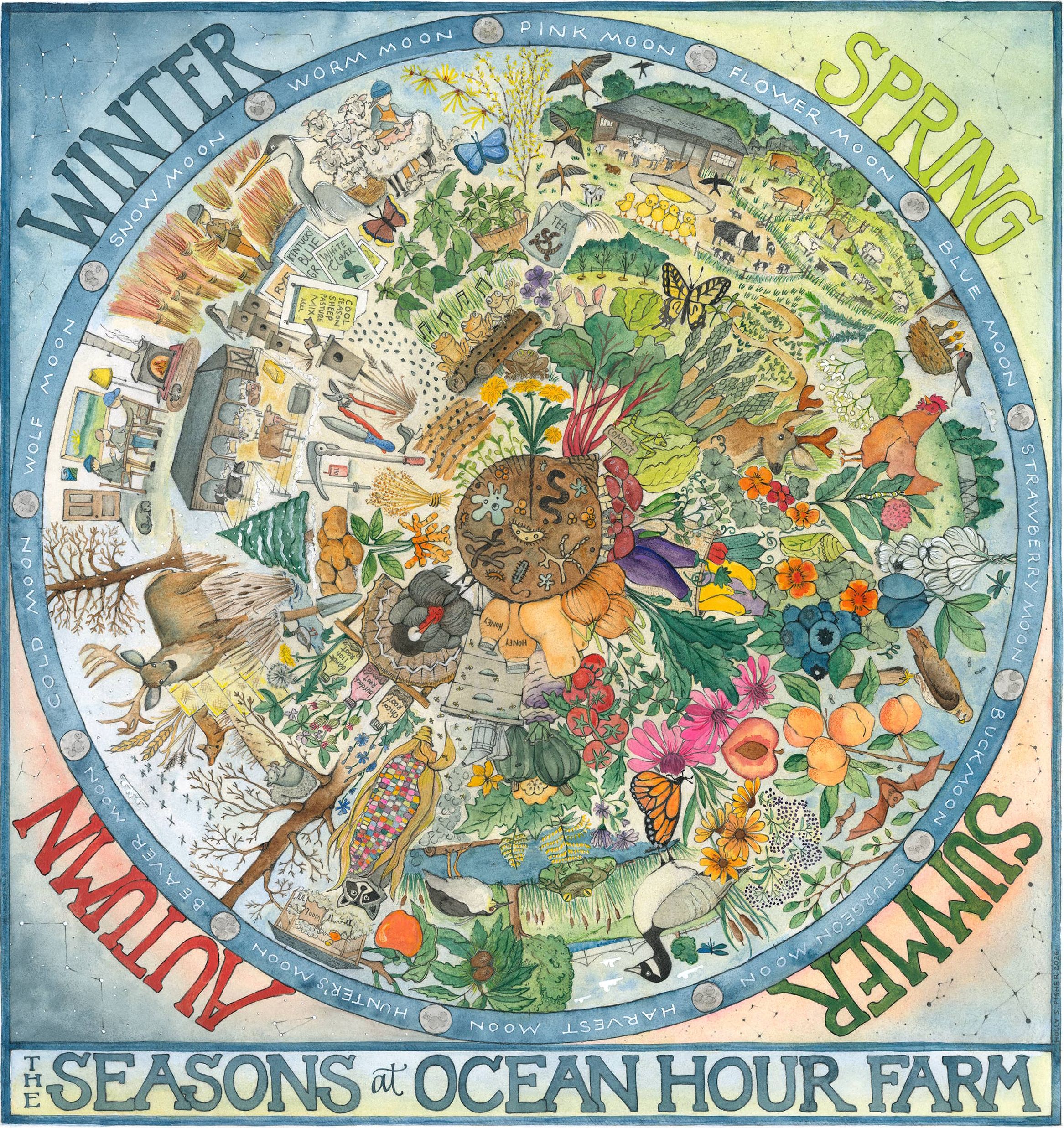
Ecoliteracy is the understanding of how the natural environment works, enabling more informed decisions and interactions with the land and sea around us.
When the people designing systems are ecoliterate, the systems will be more integrated with their environment.
The term has evolved from an idea spawned in mid-century science fiction to a pinnacle of today’s environment-focused farming movements. In the 1965 novel Dune, Frank Herbert writes about “…teaching [the children] ecological literacy” in order to give them an awareness of the order of the natural world. In the 1990s, David W. Orr and Fritjof Capra wrote about the “well-being of the Earth” and the literacy required to understand and cultivate it. Later, Capra went on to cofound the Center for Ecoliteracy. His co-founder, Zenobia Barlow, wrote a book called Ecoliterate in 2012 with Lisa Bennett and Daniel Goleman. This book set out to further define the term ecoliteracy for a new generation.
Before modern Western cultures industrialized our agricultural systems, people were required to have a closer relationship and knowledge of the landscapes around them. The only way to grow food successfully was to be in constant contact with the systems at work in the environment. This traditional ecological knowledge and the relationships that indigenous people have with the places they are local to were largely superseded in the 20th century by industrialization, as farms became corporatized. As we learn more about humans’ impact on the climate and work towards a less destructive way of living in connection with the land, we can turn to ecoliteracy to bring this knowledge back into public consciousness and cultivate better practices in our agricultural systems.
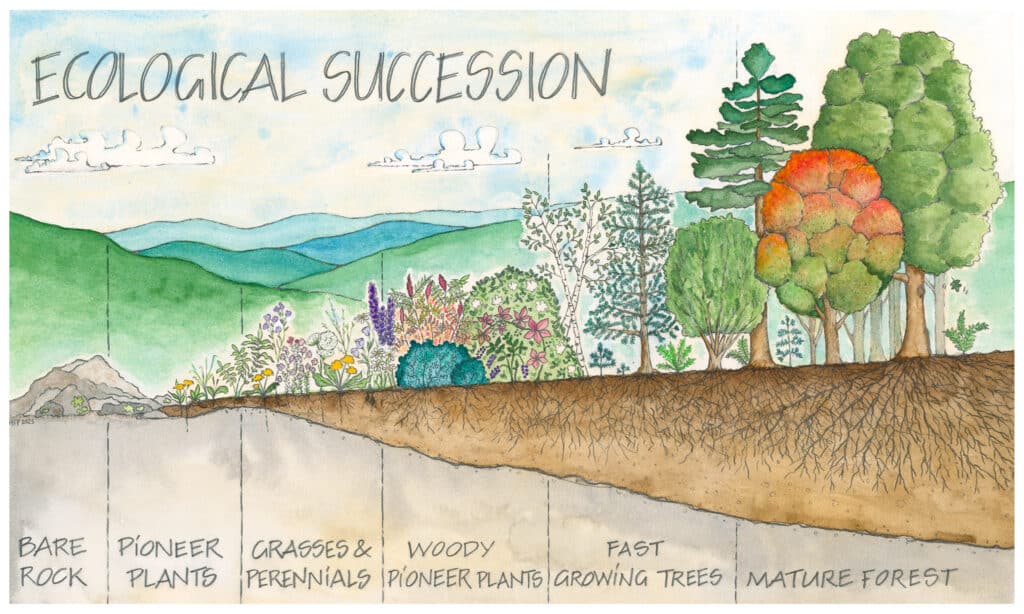
According to the Center for Ecoliteracy, the aims of ecoliteracy are to foster empathy for all forms of life; to foster sustainability as a community practice; to make the invisible visible; to anticipate unintended consequences; and to understand how nature sustains life. When these ideals come together, a deeper understanding of the world around us is formed.
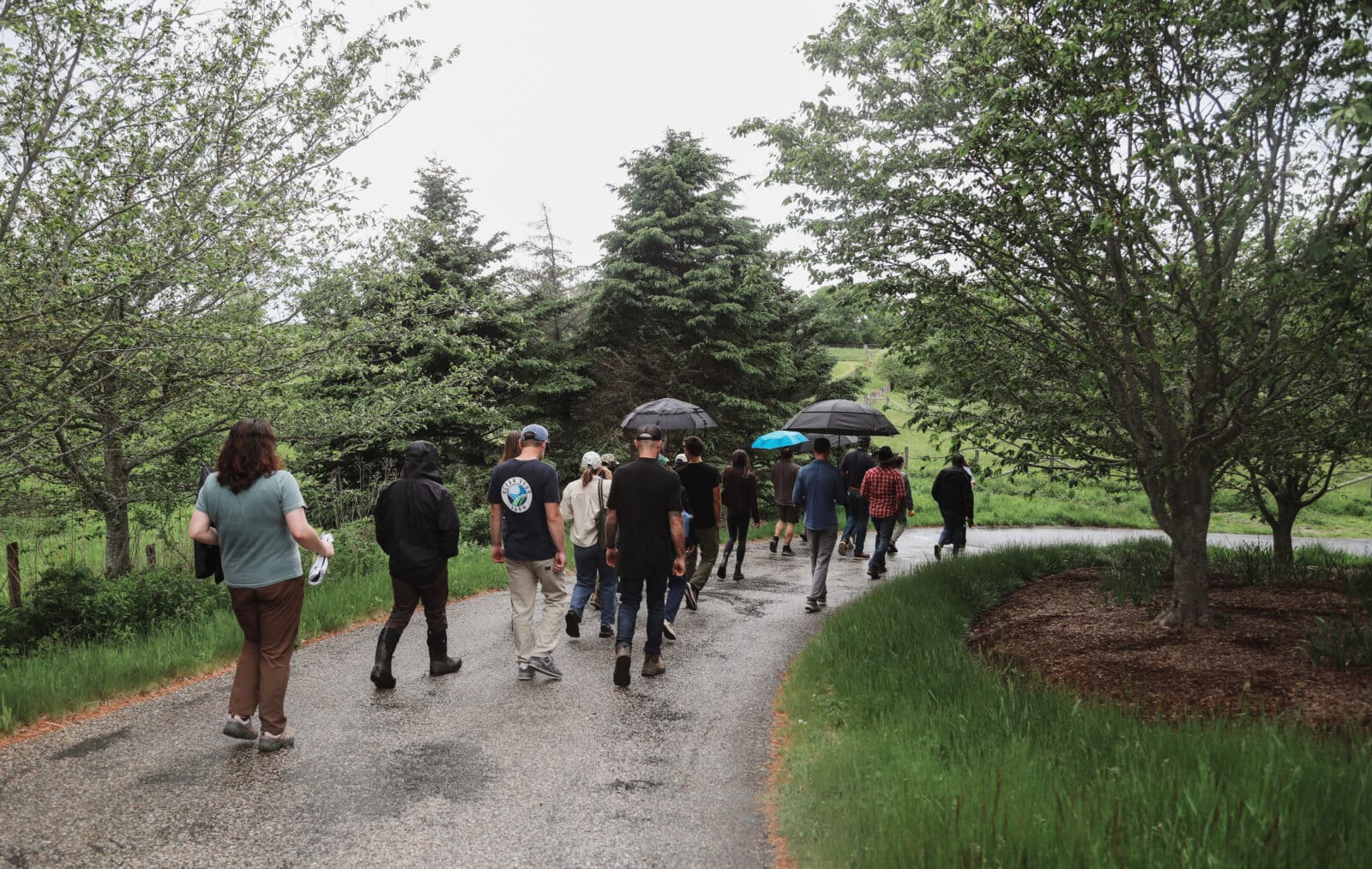
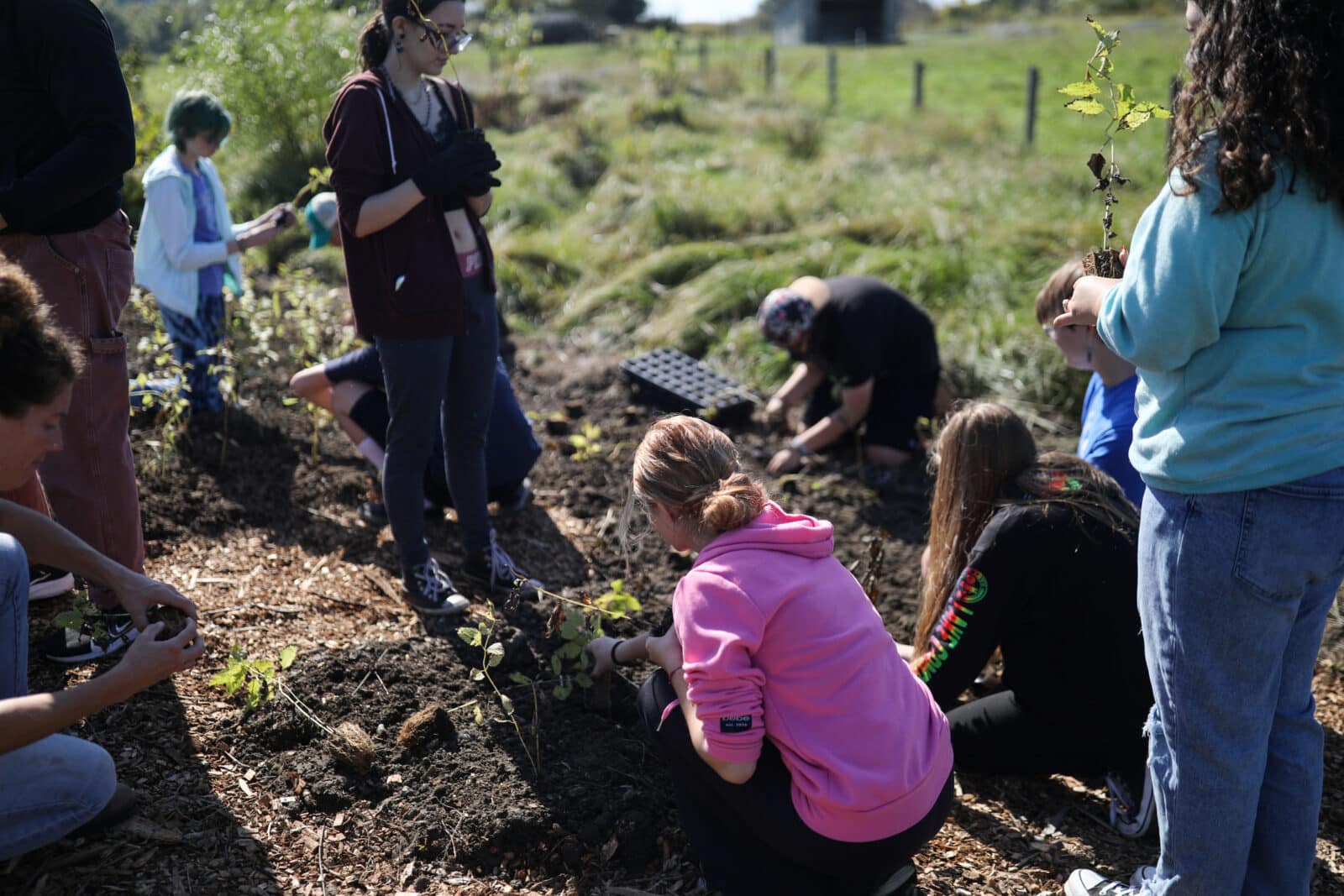
Let’s take a look at how Ocean Hour Farm is putting these ideals into action!