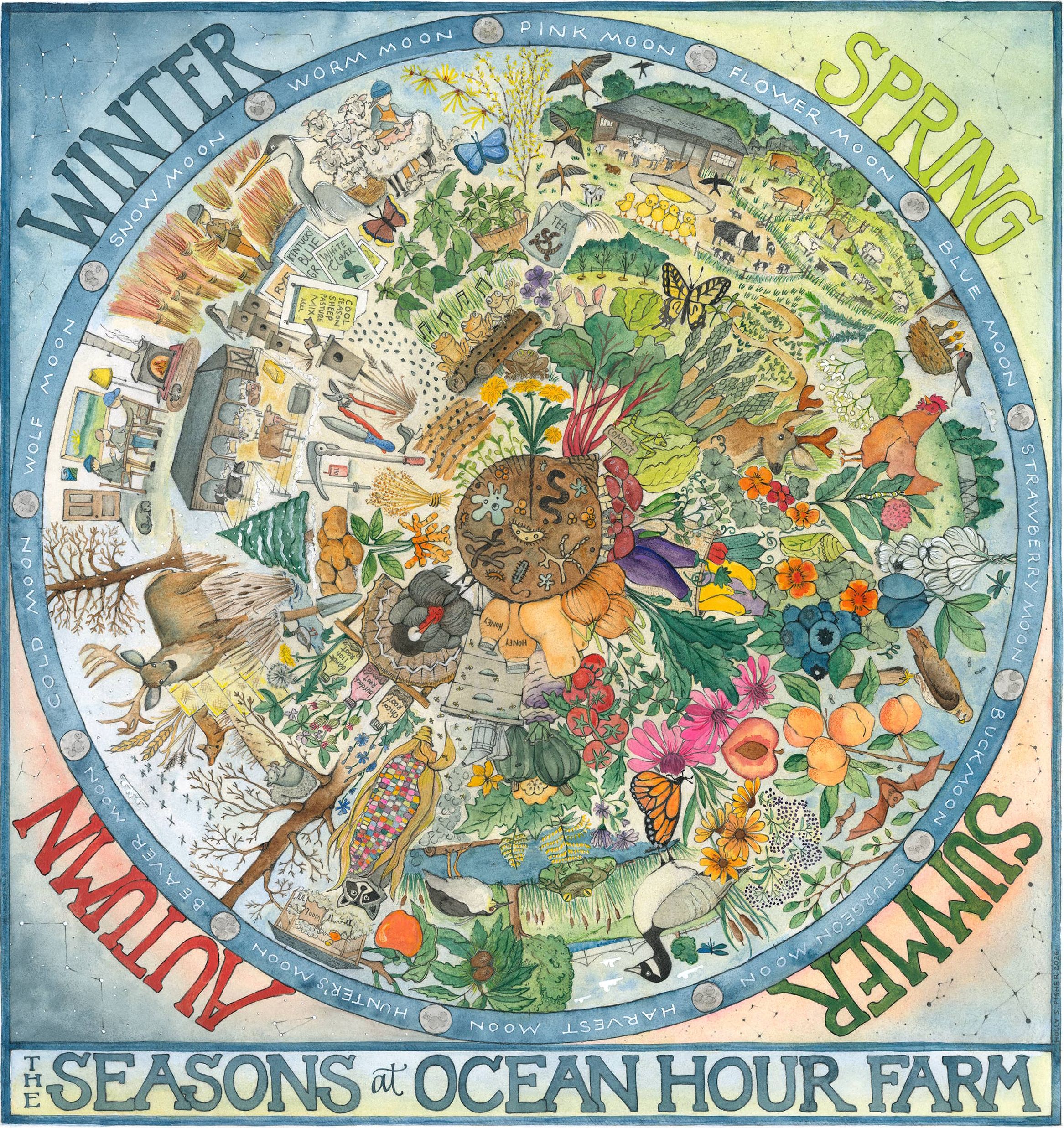
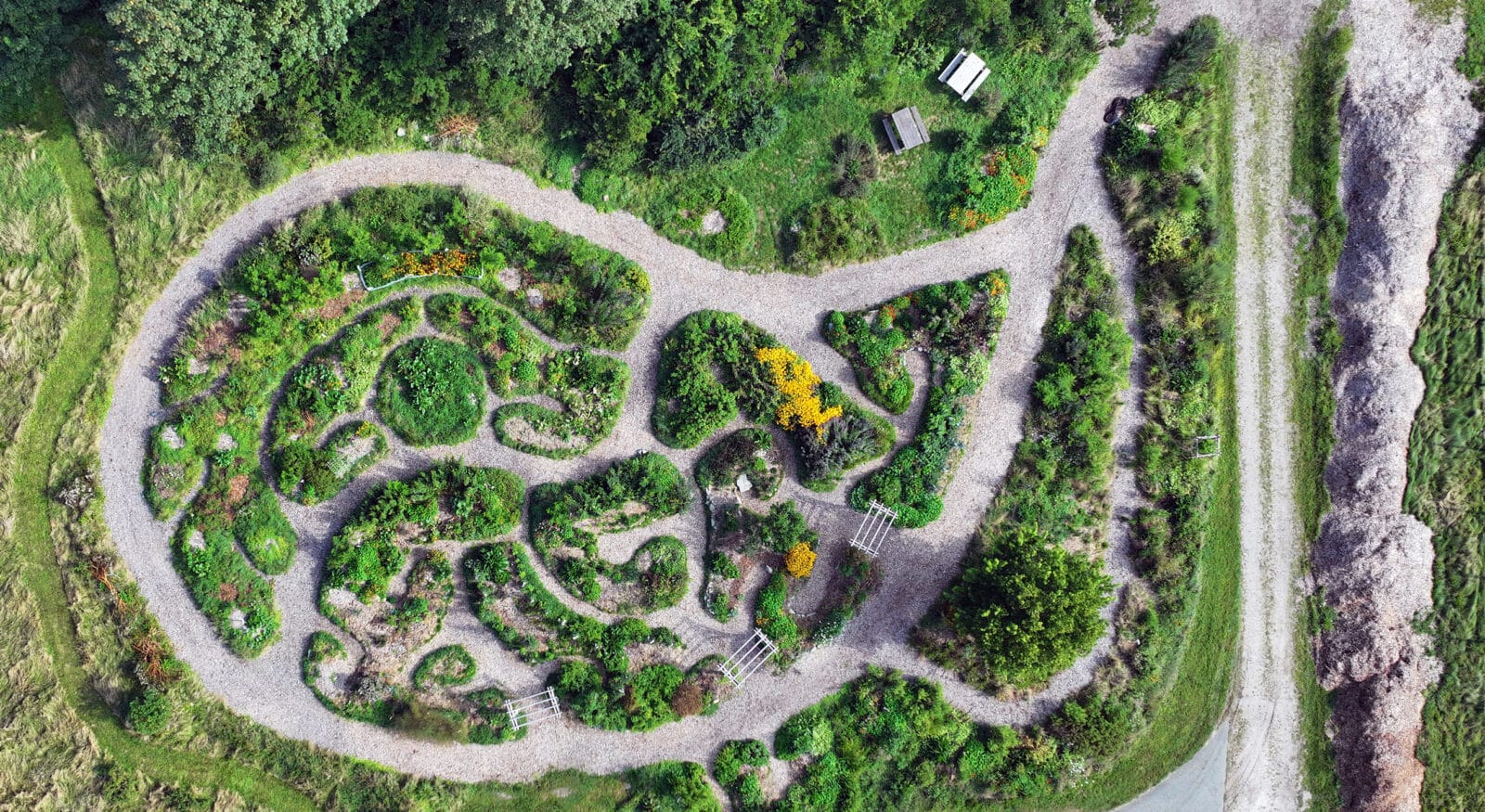
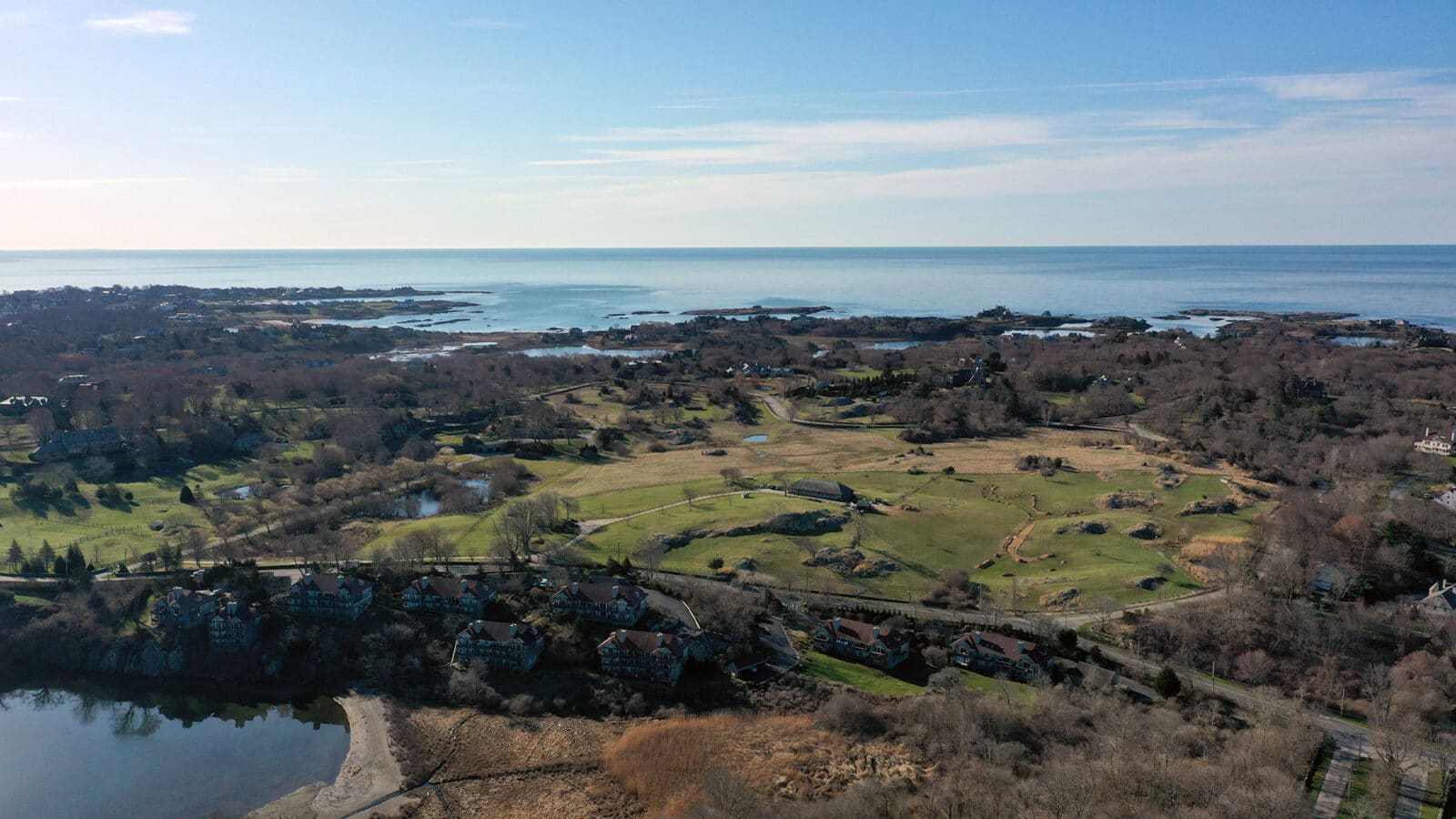
Ocean Hour Farm sits on a unique piece of land in Newport, Rhode Island, surrounded by Narragansett Bay and the Atlantic Ocean. The climate is currently USDA hardiness zone 7A, a temperate, moderate climate, but as our planet warms, we anticipate weather akin to Annapolis, Maryland, with winds and precipitation becoming less predictable. Storms and flooding risks are increasing, and the road that divides the property will likely be underwater by 2080.
About
The Farm
WHERE LAND MEETS THE SEA
Imagine you’re relaxing by the seaside, but the water is a muddy brown. You take a deep breath, searching for salty air, but instead, you sniff a rotten smell of toxic red tide algae.
80% of ocean pollution comes from land. The fertilizers, herbicides, and pesticides we use to keep our lawns green and grow conventional crops run off into our creeks and storm drains straight for the ocean—creating persistent problems for our soil and sea.
We want to rewrite this story.
SOIL AND WATER
Soil is a living organism that cleans water. Soil management directly impacts water quality, from small ponds to drinking water to the deep sea.
Ocean Hour Farm is located in Newport, Rhode Island, where, like most coastal towns, our water is highly vulnerable to nutrient and bacterial pollution from land management practices.
We demonstrate how designing with our ecosystem and eliminating our reliance on chemicals leads to abundance.
Why Regenerative?

IMPROVE AND PROTECT WATER QUALITY
Water is essential to all life on Earth. As it flows and changes state, it brings together the atmosphere, the ocean, the land, and all life forms into a complex integrated system. Our planet thrives when the water flows naturally and cleanly.
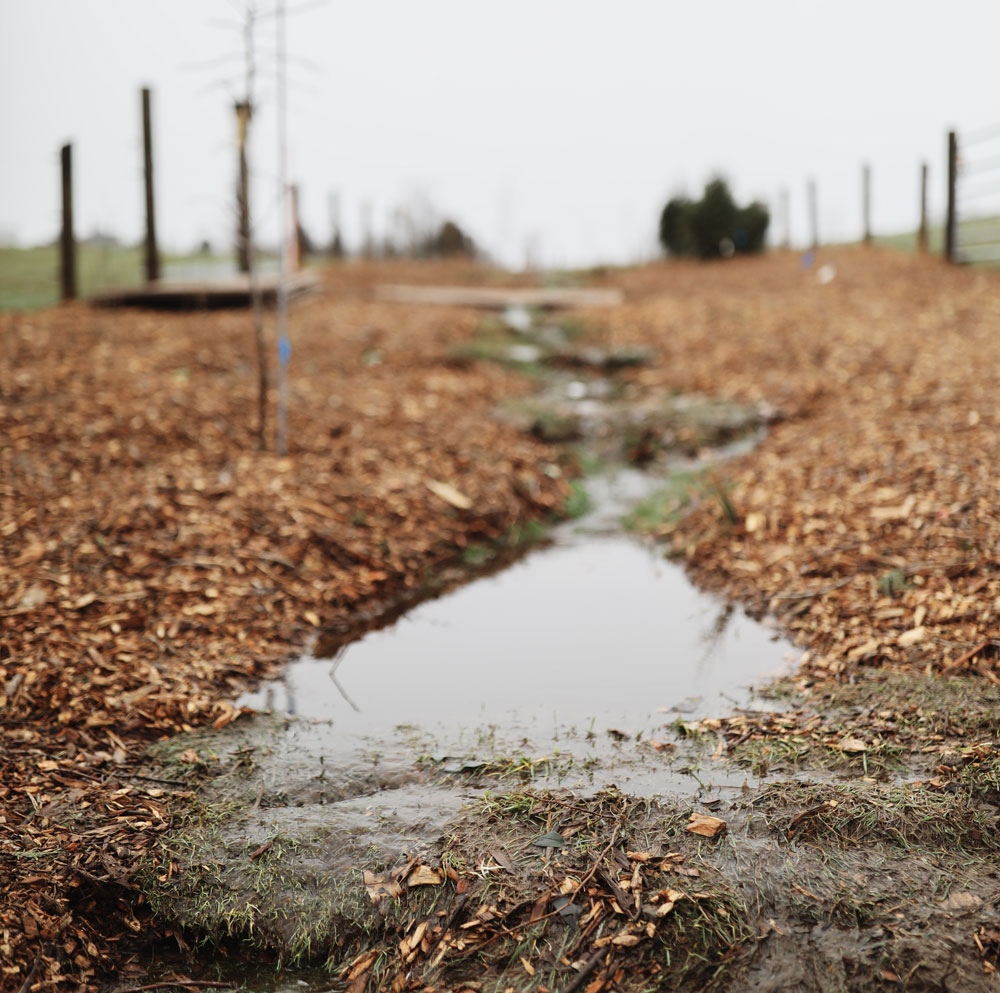
At Ocean Hour Farm, we manage our land to be a filter for the sea. We cultivate healthy, living soil and install native plant buffers to slow down runoff and soak up rain.

INCREASE CARBON SEQUESTRATION AND CLIMATE RESILIENCE
Carbon is essential for life. Decades of fossil fuel use have unbalanced our cycle. There’s too much carbon in our atmosphere and not enough in our soil. Food systems now drive one-third of global emissions.
Regenerative agriculture can flip the script. At Ocean Hour Farm, we study which techniques most effectively turn farmland into a powerful carbon sink.

ENHANCE BIODIVERSITY AND ALLOW LIFE TO THRIVE
Nature thrives in webs, not linear chains. A complex, biodiverse soil network acts as a safety net: if one connection fails, others step in to keep nutrients flowing.
At Ocean Hour Farm, we strengthen this underground network by monitoring soil microbes and enriching our land with active compost and mushroom cultivation.

The Plants
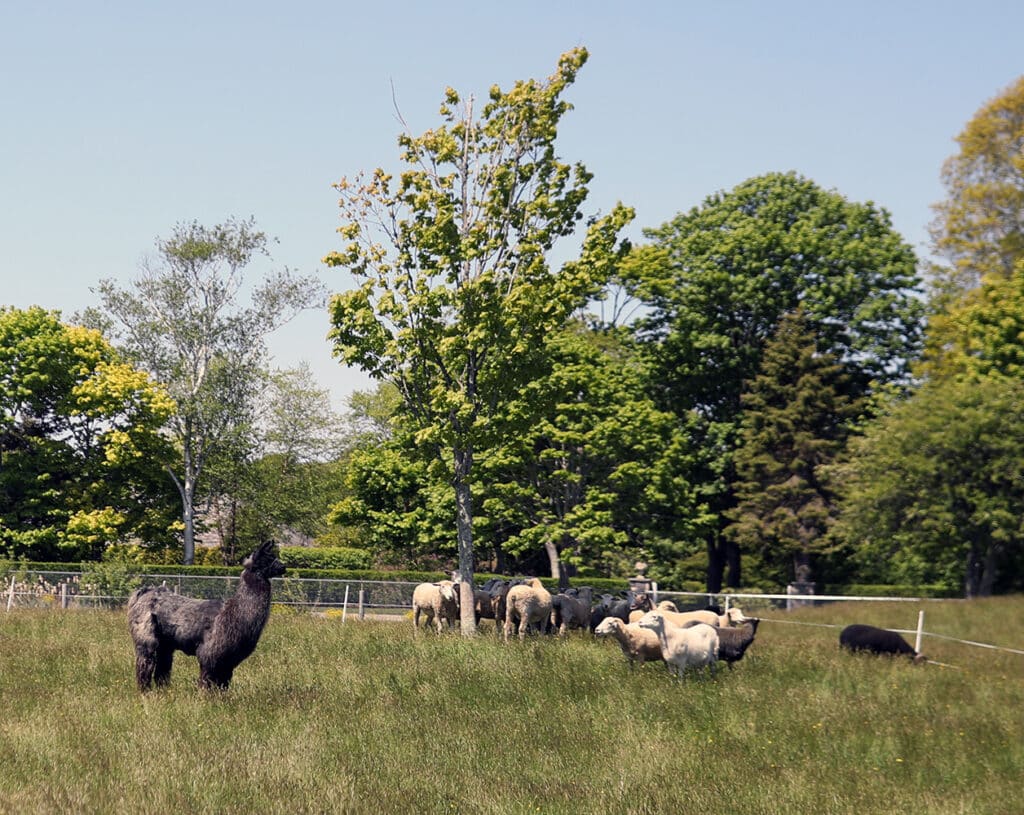

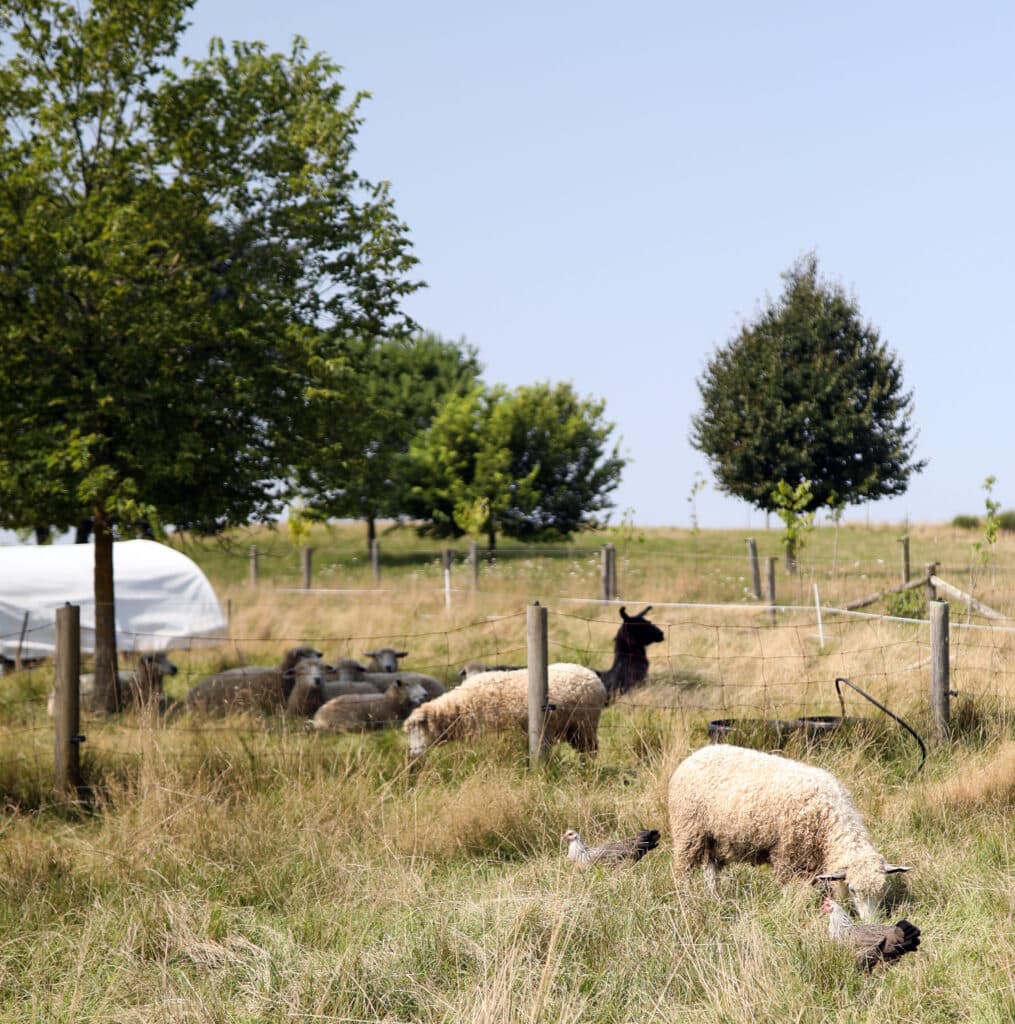
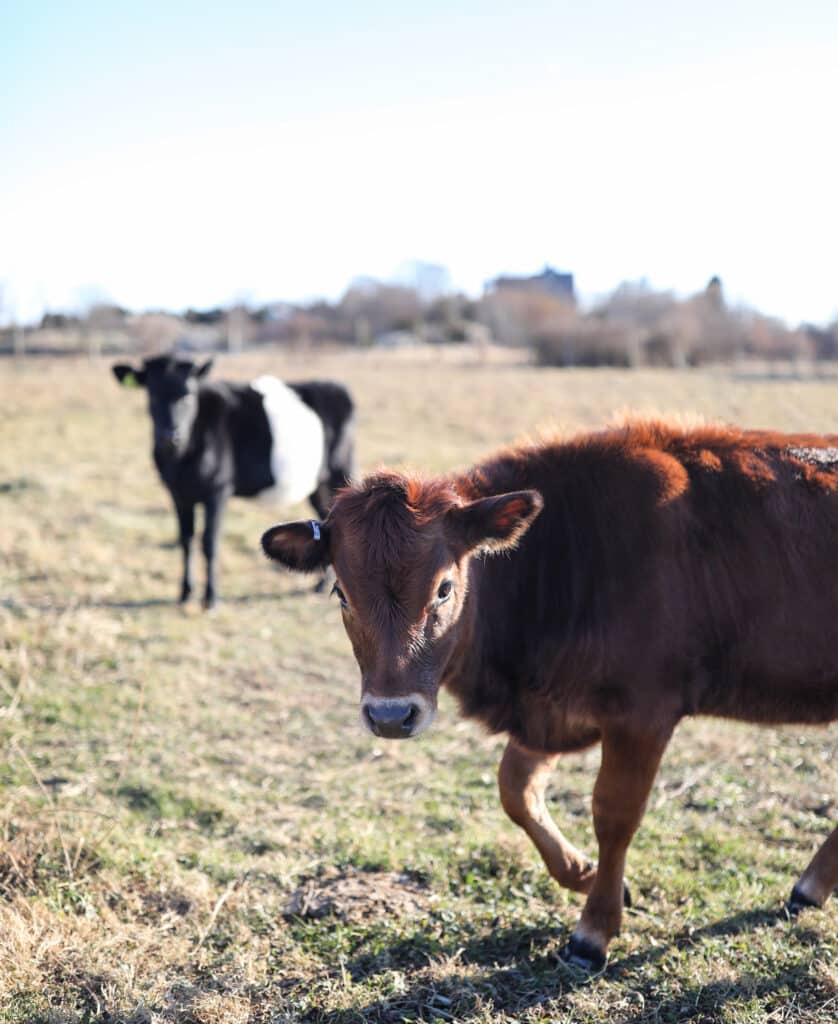
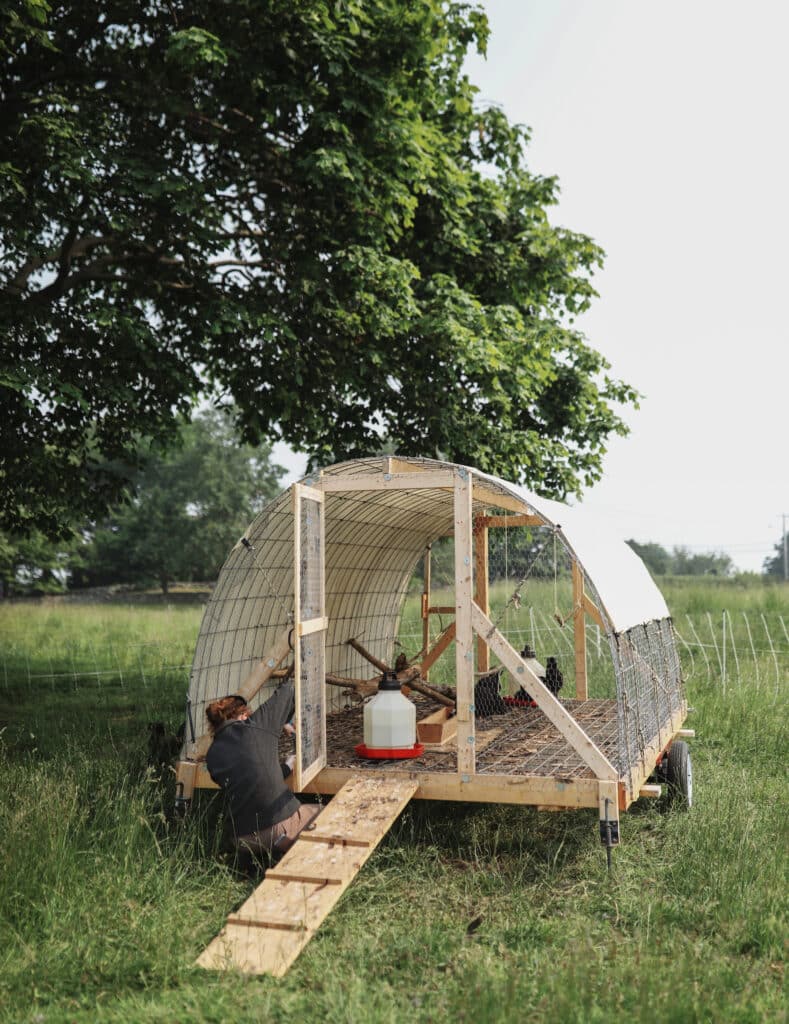
Our Flock